

Early Signs of Insulin Resistance You Shouldn’t Ignore
Diabetes is now very common, and most people recognize its symptoms. What’s disc...
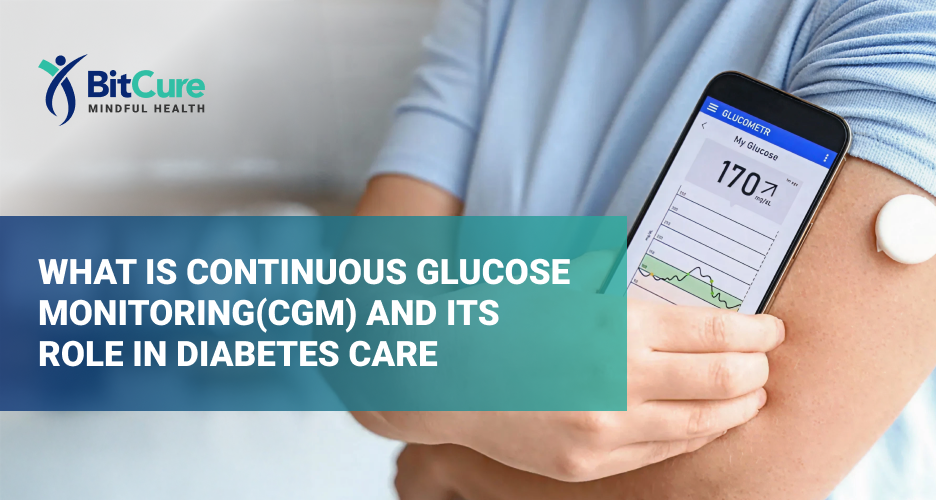
CGM provides ongoing, real-time information about glucose levels and trends. This deeper insight helps patients and clinicians understand how food, physical activity, medications, stress, and sleep affect blood sugar—making diabetes care more personalized and proactive.
For many years, people relied mainly on finger-stick blood glucose checks, which show glucose levels at a single moment in time. While useful, these spot checks can miss important patterns that occur throughout the day. As diabetes has become more common worldwide, both patients and clinicians have looked for smarter, more data-driven ways to manage blood sugar. Continuous Glucose Monitoring (CGM) is one of the most important innovations to emerge from this need. CGM provides ongoing, real-time information about glucose levels and trends. This deeper insight helps patients and clinicians understand how food, physical activity, medications, stress, and sleep affect blood sugar—making diabetes care more personalized and proactive.
Continuous Glucose Monitoring (CGM) is a technology that tracks glucose levels continuously throughout the day. A CGM system has three main components:
• Sensor: A small, flexible filament is placed just under the skin, usually on the upper arm or abdomen. The sensor measures glucose levels in the interstitial fluid (the fluid between cells).
• Transmitter: The transmitter wirelessly sends glucose data to the receiver.
• Receiver: The receiver may be a dedicated handheld device or a smartphone app. It displays current glucose levels, trends over time, and alerts for high or low glucose levels. Most CGMs record a glucose reading every 5 minutes—about 288 readings per day.
CGMs are commonly used by people with diabetes, including:
• Type 1 diabetes
• Type 2 diabetes, especially those using insulin or experiencing frequent highs or lows.
• Gestational diabetes, in selected cases under medical supervision.
CGMs are widely used by endocrinologists, primary care clinicians, and preventive care programs as part of modern diabetes management.
Continuous glucose monitoring has become a key tool in diabetes management. Real-time data helps clinicians and patients understand glucose patterns that may not be apparent from HbA1c alone.
• Improved Glycemic Control: CGMs can identify post-meal glucose spikes, early-morning glucose rises, and episodes of low blood sugar—especially during sleep. This information helps clinicians adjust medications, insulin timing, and lifestyle strategies more precisely.
• Increased Time in Range (TIR): CGMs emphasize Time in Range (TIR)—the percentage of time glucose levels stay within a target range. Consistent TIR is associated with better daily control and fewer diabetes-related complications. This measure complements HbA1c by showing day-to-day glucose stability.
• Reduced Risk of Hypoglycemia: Real-time alerts can warn users of falling glucose levels before symptoms become severe. This is particularly helpful during sleep, exercise, or for individuals with reduced awareness of low blood sugar.
• More Personalized Treatment Decisions: CGM data highlights how different individuals respond to specific foods, medications, stress, and physical activity. This supports more personalized, patient-centered care plans.
While CGMs are primarily approved and recommended for diabetes management, they are increasingly being explored—under medical guidance—for broader metabolic health insights.
• Prediabetes and Insulin Resistance: CGMs may help identify patterns of glucose variability in people with prediabetes or insulin resistance. When combined with clinical evaluation and laboratory testing, this information can support earlier lifestyle interventions such as food choice changes, physical activity, and weight management.
• Weight Management and Metabolic Health: Some clinicians and nutrition professionals use CGM data to understand how different foods affect glucose levels. This can help guide food choices aimed at improving metabolic health and supporting sustainable weight management. CGMs should complement—not replace—evidence-based nutrition counseling.
• Athletes and Performance Optimization: Some athletes use CGMs to observe how training intensity, fueling strategies, and recovery affect glucose levels. While research in this area is still evolving, CGMs may offer additional insights when used thoughtfully.
• Preventive Health Monitoring: CGMs can highlight glucose patterns and variability, which may be useful as part of a broader preventive health strategy. However, CGM data should always be interpreted in context with clinical assessments and lab results.
BitCure integrates continuous glucose monitoring into its metabolic programs to better understand how an individual’s body responds to food, physical activity, stress, sleep, and medications. Using CGM data, clinicians can:
• Identify glucose spikes and potential triggers
• Guide smarter food choices and meal timing
• Recommend personalized lifestyle adjustments
• Track progress using Time in Range (TIR), not HbA1c alone
• Adjust medications when clinically appropriate and safe
This data-driven approach helps individuals with type 2 diabetes, prediabetes, and metabolic syndrome better understand their glucose patterns and make informed changes under medical supervision. CGM insights are used to support personalized nutrition and lifestyle guidance as part of comprehensive diabetes care.
Continuous glucose monitoring has become an essential tool in modern diabetes management. By providing real-time insights into glucose levels and trends, CGMs help patients and clinicians make more informed, proactive decisions. As digital health technologies continue to evolve, CGMs are likely to play an increasingly important role in personalized and preventive care. With a growing focus on early intervention and precision medicine, continuous glucose monitoring remains central not only to diabetes care but also to overall metabolic health when used appropriately and under clinical guidance.

Written by
BitCure
Share this article: