

Early Signs of Insulin Resistance You Shouldn’t Ignore
Diabetes is now very common, and most people recognize its symptoms. What’s disc...
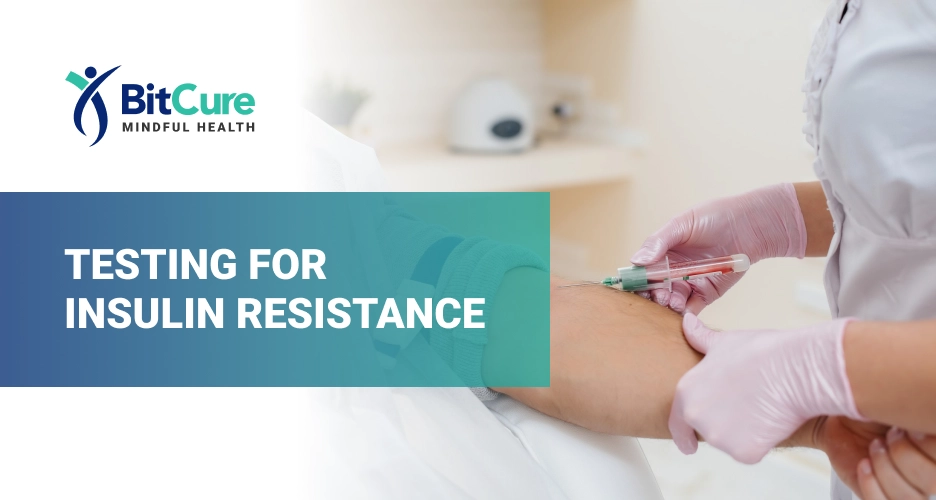
Understanding how to test insulin resistance is important because this condition often develops silently for years.
Insulin resistance affects more than a third of adults in the United States, yet many people remain undiagnosed until it progresses to prediabetes or type 2 diabetes. Early testing can help identify metabolic problems before blood sugar levels become dangerously high. Understanding how to test insulin resistance is important because this condition often develops silently for years. Identifying it early gives you the opportunity to reverse the condition through lifestyle changes and reduce your risk of diabetes, heart disease, fatty liver disease, and other chronic health problems.
Insulin resistance occurs when your body’s cells stop responding effectively to insulin, a hormone produced by the pancreas that helps glucose enter cells for energy. As a result, the pancreas produces more insulin to keep blood sugar levels normal. For years, blood sugar can look perfectly normal even while insulin levels may become increasingly elevated to keep blood glucose within the normal range. That silent phase represents your best opportunity to intervene before blood sugar begins to rise. Untreated, insulin resistance progresses to prediabetes, then type 2 diabetes — and raises the risk of heart disease, fatty liver disease, and several metabolic diseases.
Anyone can develop insulin resistance, but certain factors raise your risk significantly. If you have two or more of these conditions, proactive testing is strongly recommended:
• Excess belly fat: Visceral fat around the abdomen is metabolically active and strongly linked to IR.
• Family history: A parent or sibling with type 2 diabetes or metabolic syndrome increases your risk.
• Poor sleep: Even one week of inadequate sleep can measurably reduce insulin sensitivity.
• Sedentary lifestyle: Muscle cells become insulin-resistant when they are not regularly stimulated through physical activity.
• Diet high in refined carbohydrates and ultra-processed foods: If your diet is heavy on refined carbohydrates and ultra-processed foods, you may experience weight gain and metabolic dysfunction. These complications increase the risk of developing insulin resistance.
• PCOS / hormonal issues: Polycystic Ovarian Syndrome (PCOS) is closely tied to insulin resistance.
• Certain medications: Some medications may contribute to insulin resistance (corticosteroids, certain antipsychotics, and some older beta-blockers).
• Age over 45: Insulin sensitivity naturally declines with age, especially without resistance training.
No single test definitively diagnoses insulin resistance. Doctors typically use a combination of the following tests, chosen based on your symptoms, medical history, and what they're trying to rule out:
• Fasting Insulin Test: The fasting insulin test measures how much insulin is circulating in your blood after an overnight fast — before a meal triggers any response. It's the earliest detectable sign of insulin resistance because insulin rises before blood glucose does. Many standard lab panels don't include fasting insulin, so you may need to specifically request it from your doctor. Make sure to fast for at least 8–12 hours before the draw. Many practitioners flag anything above 7–10 µIU/mL as early resistance, even if "normal" by conventional lab standards.
• HOMA-IR (Homeostatic Model Assessment): HOMA-IR isn't a separate blood draw — it's a formula calculated from your fasting insulin and fasting glucose levels. It provides a single number that estimates the degree of insulin resistance with reasonable accuracy. Formula: HOMA-IR = (Fasting Insulin µIU/mL × Fasting Glucose mmol/L) ÷ 22.5 You can calculate your own score once you have both values from a lab report. It's a practical tool for monitoring trends over time as you make lifestyle changes.
Optimal range: HOMA-IR interpretations vary across populations, and no single cutoff is universally accepted.
• Oral Glucose Tolerance Test (OGTT) with Insulin: The OGTT involves drinking a standardized glucose solution (typically 75 grams) and then having blood drawn at intervals — usually at 30 minutes, 1 hour, and 2 hours — to see how your body clears the glucose load. Among clinically available tests, an OGTT with insulin measurements provides one of the most detailed assessments of insulin response.
• Hemoglobin A1C (HbA1c): HbA1c reflects your average blood sugar over the past 2–3 months by measuring what percentage of hemoglobin has glucose attached to it. It's widely used because it requires no fasting and gives a longer-term view than a single glucose snapshot.However, HbA1c is a downstream marker. It rises only after insulin resistance has already existed for years. A normal A1C does not rule out insulin resistance — it only tells you glucose hasn't become chronically elevated yet.
Reference ranges: Below 5.7% = normal. 5.7–6.4% = prediabetes. 6.5%+ = diabetes. Optimal metabolic health is typically associated with values below 5.4%.
• Triglyceride-to-HDL Ratio: This ratio uses two numbers from a standard lipid panel — triglycerides and HDL ("good") cholesterol — to infer insulin resistance. When insulin is high, the liver converts excess carbohydrates into triglycerides; HDL simultaneously drops. The result is a ratio that has been associated with insulin resistance in many studies and may serve as a useful screening marker, although it is not a diagnostic test.
Interpreting the ratio: Below 1.5 (or 2.0 by some guidelines) is optimal. A ratio above 3.0 strongly suggests insulin resistance.
The 2025 American Diabetes Association Standards of Care recommend testing for prediabetes and type 2 diabetes in adults who are overweight or obese and have one or more additional risk factors. Consider asking for an insulin resistance test if you have:
• Central obesity (a waist circumference over 35 inches for women, 40 for men).
•Skin tags or dark patches in skin folds (acanthosis nigricans)
•Persistent fatigue or energy crashes after meals
•Strong carbohydrate cravings
•PCOS, fatty liver disease, or high triglycerides
•A first-degree relative with type 2 diabetes
You don't need to wait for symptoms. A fasting insulin test and lipid panel are inexpensive, widely available, and can reveal problems years before blood sugar rises into the diabetic range. Early detection allows treatment to begin before more serious metabolic complications develop.
While laboratory testing remains the most accurate way to diagnose insulin resistance, several at-home screening methods can provide valuable insights into your metabolic health.
•At-Home Testing Kits: Many companies now offer mail-in blood testing kits that measure fasting insulin and fasting glucose levels. These tests can be used to calculate your HOMA-IR score, a widely recognized marker of insulin resistance.
•Watch for Physical Warning Signs: Certain physical and lifestyle indicators may suggest insulin resistance. Common signs of insulin resistance include excess abdominal weight, frequent energy crashes after meals, increased hunger or sugar cravings, and dark, velvety skin patches around the neck or underarms (acanthosis nigricans). While these signs cannot confirm insulin resistance, they may signal the need for further testing. Important: At-home methods are useful screening tools but should not replace professional medical evaluation. If your results or symptoms suggest insulin resistance, consult a healthcare provider for comprehensive testing and personalized treatment recommendations.
Testing frequency depends on your current results and risk profile. Here's what current evidence suggests:
• Normal: Retest every 3 years if your results are normal and you have no additional risk factors. Continue healthy lifestyle habits to maintain your metabolic advantage.
• Borderline: Test annually if you have prediabetes or borderline insulin resistance to monitor progression. Small changes in diet and exercise at this stage can reverse prediabetes trajectory entirely.
• High Risk: Test every 6 months if you're actively making lifestyle changes to reverse insulin resistance and want to track progress. Frequent feedback accelerates motivation and course correction.
• With Diabetes: The 2023 ADA guidelines recommend assessing glycemia (A1C, CGM metrics) at least twice yearly if stable, and quarterly if not yet meeting treatment goals.
The connection between insulin resistance and heart disease is not peripheral — it's central. Chronically high insulin promotes inflammation, damages artery walls, raises blood pressure, and drives the cluster of abnormalities known as metabolic syndrome. The 2025 ADA Standards now explicitly recognize this risk. Prediabetes — a proxy for insulin resistance — increases cardiovascular disease risk even before full diabetes develops. Annual screening for chronic kidney disease (via UACR and eGFR) is now recommended for all people with diabetes due to these interconnected mechanisms. The heart and pancreas are more linked than most patients realize. What this means practically: if your insulin resistance goes untreated, you're not just at risk of blood sugar problems. You're at elevated risk for heart attack, stroke, kidney disease, and cognitive decline. This is why catching it early — and acting on the results — matters so much.
The good news is that insulin resistance often improves substantially—and may even be reversed in many people through lifestyle interventions — far more so than most chronic diseases. Research consistently shows that lifestyle interventions can produce dramatic improvements in insulin sensitivity in weeks to months, often without medication. Here are a few methods you can try to reverse insulin resistance.
• Weight Loss: Even 5–10% of body weight loss can significantly improve insulin sensitivity and reduce your risk of progression to diabetes.
• Regular Exercise: A combination of aerobic exercise and strength training helps your muscles use glucose more efficiently — even a single workout improves sensitivity for hours.
• Low-Carb Diet: Reducing refined carbohydrates and added sugars decreases insulin demand. A Mediterranean or low-glycemic diet is well-supported by clinical evidence.
• Quality Sleep: Poor sleep increases insulin resistance almost immediately. Aim for 7–9 hours of quality sleep each night. Even partial sleep restriction worsens glucose metabolism.
At BitCure, we take a proactive approach to identifying and addressing insulin resistance before it progresses to type 2 diabetes or other chronic conditions. Our personalized care plans focus on the root causes of metabolic dysfunction through comprehensive testing, lifestyle coaching, nutrition guidance, and ongoing medical support. By combining evidence-based strategies such as weight management, low-carbohydrate nutrition, physical activity, stress reduction, and improved sleep habits, BitCure helps patients improve insulin sensitivity and achieve long-term metabolic health. Our goal is not just to manage symptoms but to help reverse insulin resistance and reduce the risk of diabetes, cardiovascular disease, and other related health complications.
Insulin resistance is one of the earliest warning signs of metabolic dysfunction, but it is often overlooked because blood sugar may remain normal for years. Testing insulin resistance early can help you act before serious complications develop. With targeted lifestyle changes such as weight loss, exercise, better sleep, and dietary improvements, many people can successfully improve insulin sensitivity and reduce their long-term risk of diabetes and cardiovascular disease.
A fasting insulin test can be extremely useful because insulin resistance often develops years before glucose and A1C become abnormal. However, combining fasting insulin with HOMA-IR, triglyceride-to-HDL ratio, and clinical assessment provides a more complete picture.
Most people are tested through fasting blood work ordered by a healthcare provider. Common tests include fasting insulin, fasting glucose, HbA1c, lipid profile, and sometimes an OGTT with insulin measurements.
You can screen for insulin resistance at home using mail-in blood tests that measure fasting insulin and glucose levels, or by watching for signs such as excess abdominal weight, fatigue after meals, sugar cravings, and dark skin patches around the neck or underarms. However, a definitive diagnosis requires laboratory testing and evaluation by a healthcare professional.
The HOMA-IR test is a simple calculation that uses fasting glucose and fasting insulin levels to estimate insulin resistance. A higher HOMA-IR score indicates greater insulin resistance, while a lower score suggests better insulin sensitivity. It is commonly used to detect insulin resistance early, often before blood sugar levels become abnormal.

Written by
BitCure
Share this article: